One of the most common concerns patients have before rhinoplasty is simple — and very real:
“I just don’t want my nose to look done.”
It’s a fair concern. Most people can instantly spot a bad nose job, and no one wants to be the example. The truth is, when rhinoplasty is done well, you usually don’t notice it at all.
That difference comes down to experience, judgment, and an individualized approach — not trends or aggressive reshaping.
You Only Notice Bad Rhinoplasty Results
Here’s something most patients don’t realize until they start researching:
👉 You only notice bad nose jobs.
Natural rhinoplasty in Atlanta blends seamlessly into the face. Overdone rhinoplasty draws attention — pinched tips, over-rotated noses, scooped bridges, or shapes that don’t match the patient’s facial structure.
When rhinoplasty is performed correctly:
-
The nose doesn’t stand out
-
It doesn’t look “surgical”
-
It doesn’t change who you are
Instead, it simply looks like the nose you were meant to have.
The Goal Isn’t a “Perfect” Nose — It’s the Right Nose
Every face is different. Skin thickness, bone structure, cartilage strength, ethnicity, gender, and facial proportions all play a role in what looks natural.
Dr. Sinha’s approach to rhinoplasty focuses on shaping a nose that fits the patient perfectly, rather than forcing a standardized or trendy result.
That means:
-
Preserving strength and structure
-
Respecting natural facial proportions
-
Avoiding over-reduction
-
Creating balance with the chin, lips, and eyes
-
Planning results that age well over time
The best rhinoplasty doesn’t announce itself — it quietly improves harmony.
 Why Experience Matters More Than Any Technique
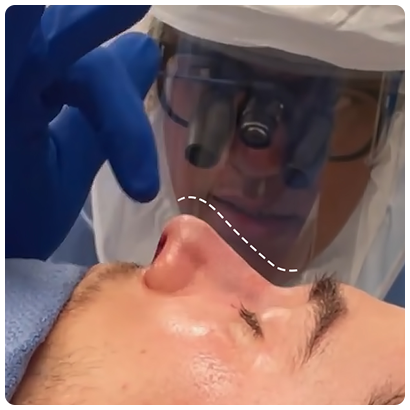 Why Experience Matters More Than Any Technique
Rhinoplasty is one of the most complex procedures in facial plastic surgery. Small decisions made during surgery can dramatically affect both appearance and breathing — immediately and years later.
With over 30 years of experience, Dr. Sinha has seen virtually every nasal anatomy and challenge imaginable:
-
Primary rhinoplasty
-
Complex structural cases
-
Thick and thin skin types
-
Functional breathing problems
-
Traumatic and asymmetrical noses
-
Failed surgeries performed elsewhere
That depth of experience allows him to make measured, thoughtful adjustments — not aggressive changes that lead to regret.
One of the Lowest Revision Rates — And a Leader in Fixing Other Surgeons’ Work
Perhaps the strongest reassurance for patients worried about looking “done” is this:
Dr. Sinha has one of the lowest revision rhinoplasty rates nationwide.
Even more telling, he is one of the most recommended surgeons for revision rhinoplasty, treating patients who are unhappy with results from other doctors.
Revision rhinoplasty is significantly more difficult than primary surgery. Patients often come in with:
-
Over-resected cartilage
-
Structural collapse
-
Breathing issues
-
Asymmetry or unnatural shape
Fixing these issues requires restraint, technical mastery, and long-term planning — the same qualities that prevent an overdone look in the first place.
 Natural Results Are Intentional — Not Accidental
 Natural Results Are Intentional — Not Accidental
A natural-looking rhinoplasty doesn’t happen by chance. It’s the result of:
-
Conservative judgment
-
Structural support, not just cosmetic shaping
-
Respect for the patient’s identity
-
A surgeon who knows when not to do more
Patients who prioritize subtlety and longevity tend to choose surgeons known for restraint and consistency, not dramatic transformations.
The Bottom Line
If you’re worried about your nose looking “done,” that concern is valid — and it’s exactly why surgeon selection matters so much.
A well-performed rhinoplasty should:
-
Fit your face naturally
-
Preserve your identity
-
Avoid obvious surgical signs
-
Improve both form and function
-
Stand the test of time
When done correctly, most people won’t notice your nose — they’ll just notice that you look confident, balanced, and refreshed.